
Psychological & Astrological Dynamics of Donald J Trump
 Helen Hartley - Astrology Matters
Psychological and Astrological Dynamics of Donald J Trump
This is a psychologically informed astrological profile of Donald J Trump, written to integrate astrological symbolism with modern psychological understanding. The aim is not to diagnose, but to explain how an individual’s energy patterns manifest a distinctive personality and behaviour patterns.
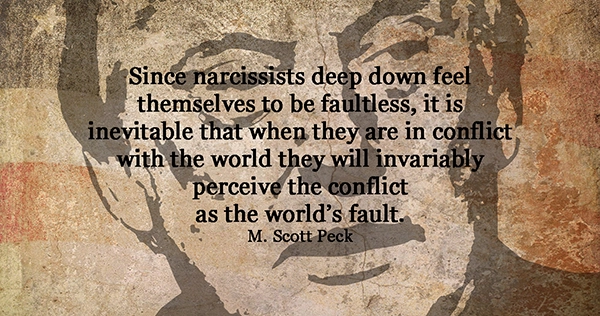
This chart reveals that Trump’s personality is shaped by dynamic tension between a fragile sense of self, an inflated ego ideal, and an instinctive drive to maintain dominance and control at all costs. His observable behaviour reflects a psychological bias that is reactive rather than reflective, defended rather than open, and dominated by primitive coping strategies rather than integrated emotional maturity. All of which suggests low emotional intelligence. Astrology closely supports this view, and I seek to correlate it with Trump’s observable behaviour.
1. Identity Formation and Ego Structure: Sun conjunct Uranus conjunct North Node in Gemini in the tenth house
This combination produces a life theme centred around visibility, notoriety, and self-invention. Psychologically, it often correlates with an unstable or fragmented ego structure. Uranus on the Sun disrupts the natural process of ego consolidation. It creates a self-concept that is inconsistent, inflated, and dependent on external stimulation. The North Node magnifies these tendencies and draws them into public arenas.
In such individuals, the ego becomes brittle. It cannot tolerate challenge or contradiction. Instead of integrating different parts of the self, the personality becomes reactive, adopting whichever stance preserves the illusion of uniqueness or superiority. Gemini’s involvement encourages verbal agility, impression management, and rapid shifts in position when threatened.
This is the psychological basis for unpredictability, impulsivity, and a strong need to remain the centre of attention.
2. Emotional Development and Regulation: Moon in Sagittarius opposing Sun, Node, Uranus
The Moon describes core emotional needs and developmental foundations. In Sagittarius, the emotional system seeks freedom, righteousness, and self-justification. Placed in the fourth house, it suggests early emotional experiences that were inconsistent, morally charged, or lacking stable nurturing. The opposition between the Sun and Uranus reflects an internal conflict between conscious identity and emotional reality.
Psychologically, this creates emotional dysregulation. This suggests Trump oscillates between bravado and insecurity. Emotions are projected outward rather than processed inward. The individual defends against vulnerability by reacting, moralising, or shifting blame. The opposition contributes to this immaturity by inhibiting the individual from integrating emotional needs with conscious behaviour.
He remains emotionally adolescent, regardless of chronological age.
3. Attachment Patterns and Relationships: Moon inconjunct Venus, Saturn
Here we see a classic signature of attachment disturbance. Venus conjunct Saturn can foster loyalty and discipline, yet when poorly developed, it can produce coldness, distance, and conditional relating. At its deepest level, it can lead a person to feel unworthy and unlovable. The Moon’s challenging aspect to this duo describes an emotional system that cannot easily trust or form secure bonds.
Psychologically, the person is unable to tolerate emotional reciprocity. Relationships are transactional. Others are evaluated based on usefulness rather than genuine connection. Affection may be withheld, weaponised, or replaced by dominance and expectation. This challenging aspect often appears in the charts of individuals who learned early that dependence was unsafe or shameful, leading to defensive self-sufficiency that blocks intimacy.
This placement also aligns with chronic dissatisfaction in relationships, as emotional needs and relational behaviours do not match.
From a psychological perspective, this is one of the most significant signatures in the chart. Mercury describes cognition. Neptune dissolves boundaries. When these two aspects conflict, reality testing becomes compromised. The individual may rely on emotional perception, fantasy, projection, or self-created narratives rather than objective facts. Neptune / Mercury is often referred to colloquially as the ‘conman’, one of the known shadow expressions.
The highest aspiration of this aspect would be to foster imagination and intuitive creativity. In this individual’s behaviour, the shadow dominates. The mind becomes a tool for avoiding truth rather than understanding it. Denial, distortion, exaggeration, and storytelling replace factual accuracy. This correlates with chronic dishonesty, manipulation, and confabulation.
Such individuals often come to believe their own falsehoods because emotional conviction feels more real to them than evidence.
5. Drive, Impulse, and Defensive Behaviour: Mars conjunct the Ascendant in Leo
Mars rising produces a personality that approaches the world through force, dominance, and assertion. In Leo, the drive for recognition is acute. This manifests as an externalised defence mechanism. The person uses aggression, bluster, or intimidation to prevent others from seeing insecurity or weakness.
When combined with the unstable ego indicated by the Sun Uranus conjunction, Mars rising becomes an armoured persona. The individual presents as strong and confident, but the aggression covers deep vulnerability. Challenges to their authority activate primitive defences such as rage, projection, and devaluation of others.
This is a hallmark of narcissistic and authoritarian personality structures.
6. Self-Worth, Value Systems, and Compensation: Jupiter conjunct Chiron in the second house
This aspect reveals a wound to self-worth that has never been directly confronted. Instead of engaging in healing, the personality compensates. Jupiter inflates. Chiron exposes the wound. The result is exaggerated entitlement, financial grandiosity, and a compulsive need to assert worth through possessions, status symbols, or displays of success.
Psychologically, this creates a split between inner inadequacy and outer expression. Such individuals often seek constant external validation to avoid confronting the deeper wound. When validation is withheld, they may react with rage, withdrawal, or self-pity.
This explains the oscillation between boasting and grievance.
7. The Unconscious Shadow: Unaspected Pluto in the twelfth house
This is one of the most psychologically charged placements in the chart. Pluto represents power, fear, repressed emotions, and shadow material. It operates autonomously, creating compulsions, paranoia, and intense reactions that the individual cannot fully understand.
The twelfth house placement indicates unprocessed early trauma, ancestral issues, or deep psychological wounds that remain unacknowledged. Psychologically, this correlates with hidden rage, fear of annihilation, and a drive to control or dominate to avoid feeling powerless. Because this Pluto has no contact with the rest of the chart, these issues remain untethered and unexamined.
This is the root of vindictiveness, an obsession with enemies, and an inability to tolerate the loss of control.
Integrated Psychological Perspective
The chart describes a personality built on unstable foundations, defended by aggression, inflated through grandiosity, and maintained through distorted narratives. Emotional vulnerability is intolerable to the psyche, so the individual relies on primitive defences such as projection, denial, blame shifting, and devaluation.
Relationships are instrumental. Communication is self-serving. Emotional experience is externalised. Threats to the ego are met with aggression or narrative manipulation. The unconscious holds immense fear and unresolved trauma that is expressed through control-seeking or destructive behaviour.
At no point do we see natural channels for introspection, empathy, humility, or emotional integration. Without those psychological capacities, the negative traits become dominant and entrenched.
It is important to acknowledge that these same configurations, when consciously developed, could express themselves very differently.
At his best, this man could be brilliant, intuitive, and deeply perceptive. The Gemini Sun, conjunct the North Node and Uranus, gives him a compelling purpose that inspires others. His communication style would be one of flair, originality, and insight, and as a visionary, he could see connections that others overlook. The Sagittarius Moon adds emotional expansiveness, wisdom, humour, and an ability to rise above pettiness. He could be a unifying force within groups, bringing together ideas and people to build something meaningful.
The trine between Neptune and Jupiter Chiron provides healing qualities, compassion, and empathy. He could be a mentor or guide whose compassion and understanding are shaped by overcoming the challenges of early childhood trauma and lived experience. The positive qualities of Leo Ascendant and Mars offer courage, strength, and leadership presence, suggesting he could be an admired and capable individual when aligned with an authentic voice.
I imagine there are those who believe these final paragraphs to be the qualities of their leader, yet the rest of the world waits nervously to see what comes next. They say a leopard doesn’t change its spots, yet we can live in hope!

- Chart – Solar Fire/ Koch houses/AA Rating
- Ptolemaic aspects incl Inconjunct
- EQ Accreditation (amongst other psychological accreditations)


 Helen Hartley - Astrology Matters
 Helen Hrtley
 Helen Hartley - Astrology Matters