
About Astrology
What is astrology? How does it work? Why does it work?
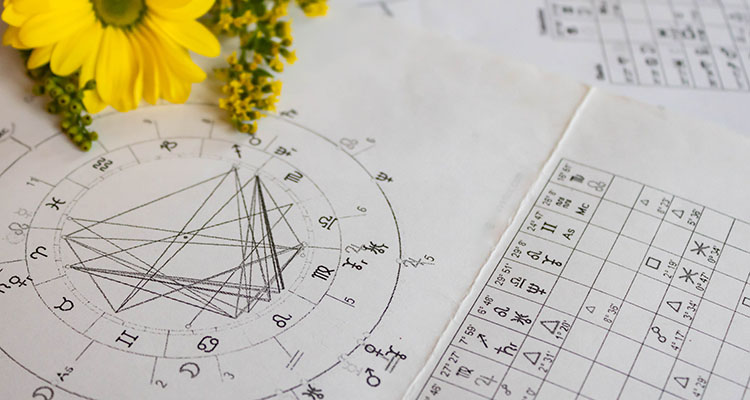
The serious study of astrology is enormously complex, and to answer the first part of that question, you need to understand what a horoscope or chart is. The chart is calculated for the exact position of the Sun, Moon (luminaries), and Planets on the date, time, and place where you were born. It is a two-dimensional representation of the three-dimensional sky, and astrologers interpret this information in terms of human behaviour, activities and events.
Did you know that planets and stars do not control events on Earth?
Even though it is a common belief among non-astrologers, the study of the heavens began long ago. The ancients observed that events on Earth coincided with planetary movements and cycles, and over time, they began to use this knowledge to forecast accurately and project future events. For example, they observed that when the red planet, Mars, was prominent in the sky, it often coincided with war, violence and aggression. Alternatively, when Venus was prominent, people became friendly and social. They fell in love. Gradually, these associations became the basis of astrological interpretation, and over time, this understanding was lost. Although we have lost this precision in our language, it is still very important information.
Astrologers can produce horoscopes for almost anything. However, we generally categorise astrological practice into several core areas: natal astrology (modern or psychological), Synastry (relationships), Electional (events), Horary (traditional astrological divination), and others.
Natal Astrology
(modern psychological astrology)
Astrologers interpret the horoscope symbols and their relationships in terms of human behaviour. In essence, the natal horoscope suggests how you are hard-wired, your strengths, your weaknesses (yes, I did say weaknesses!). We also use the horoscope as a basis for understanding how you are evolving and how you are using your potential.
Synastry
(relationship astrology)
Relationships deserve a special mention, as they seem to be a great source of joy, pain, or frustration. Synastry describes the unique ties that exist between people and identifies both their strengths and weaknesses. With relationship charts, we look at attraction and the potential for longevity, and there are some 26 points of comparison!

Mundane Astrology
(countries, politics and business)
According to Michael Baigent in Mundane Astrology (1984), the first astrology was, on an official level at least, exclusively mundane astrology. It was concerned with only the welfare of the King and the State. Countries have their own horoscopes, and it is fascinating how the politics of the time and leadership can be reflected in them. World events and social change will often correlate with particular planetary cycles.
Horary Astrology
(traditional astrological divination)
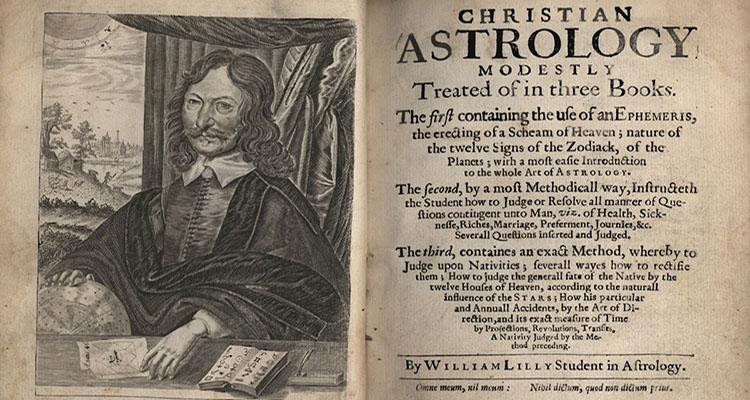
Horary is probably the oldest and most complex method of astrology. It deals with finding an answer or outcome to a specific question. Horary astrology follows very strict rules, including the Considerations before Judgement, around interpretation using traditional rulerships. One of the most important considerations in horary is that the person asking the question must have a valid and sincere need to know the answer!
There are many more types, techniques, and methods used in an astrology practice, and this list represents some of the ones I use for my clients. Every culture has looked to the sky for wisdom, so in your part of the world, your astrologers may have different options to work with.